|
前言 Preface
|
|
|
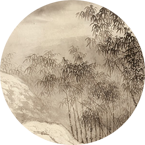
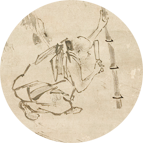
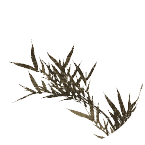
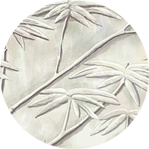
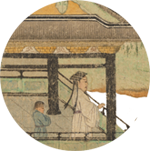
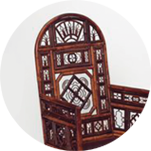
蘇東坡曾說:「可使食無肉,不可居無竹。無肉令人瘦,無竹令人俗。」自古以來,由普羅大眾到文人雅士,從衣食住行、工藝文玩到文學書畫,竹都跟我們密不可分。試想像,古時候漁夫日出而作,晨起提着竹籮漁竿,穿過屋外竹棚往攤檔吃一客竹筒飯,吃罷正想找竹牙籤時,瞥見鄰桌的小孩在竹籃裡睡得正甜。又或是一畫家在月夜下捲起竹簾,看見灑在白牆上的竹影,便興之所至提筆繪畫一幅墨竹君子圖,完成作品後,閒坐在竹椅上吹奏洞簫遣興。 總的而言,畫人愛竹,愛其有謙謙君子之性,而竹又為文人文房之寶;庶民嗜竹,嗜其能遂口腹之欲,又能作納涼盛物、遮陰擋雨之用,甚或製成家具。竹,原來和你我都那麼近! 藝術是「源於生活,高於生活」,這說明了藝術所蘊含的物質性與精神性的關係 — 藝術透過竹滲入生活,而生活又透過竹提升人們的審美態度。本教育推廣計劃正是以「竹」為主題,冀藉館藏藏品,貫聯藝術與生活,既具本土性又與民生息息相關。 藝術館正進行大型翻新工程,預計於2019年重開。我們亦希望借此計劃,試驗以新的手法去利用多元化館藏作藝術推廣活動,鼓勵觀眾以跨越東西方不同類型以及涵蓋古今的範疇,享受藝術欣賞的多元角度和全面性體驗,希望您們會喜歡。 |
|
Su Shi (1037-1101), a renowned literatus of the Song dynasty (960-1279), writes that one can live without meat but not without bamboo; life without meat would make one thin whereas a life without bamboo would become unsophisticated. From past to present, ranging from the general public to the literati, from daily necessities, crafts and scholar’s treasures to literature and art, bamboo permeates our lives. Imagine days gone by, a fisherman awakes at the break of dawn. Walking past the bamboo fence of his house carrying a bamboo basket and a bamboo fishing rod, the fisherman stops at a stall for some bamboo rice before going off to work, searching for a bamboo toothpick after the meal, he passes a baby sleeping soundly in its bamboo basket. In another scene, a painter pulls up the bamboo window blinds on a moonlit night. The shadow of bamboo on the white wall inspires him to capture it on paper in brush and ink. He sits down on a bamboo chair after painting, and plays a bamboo flute expressively. In old China, bamboo was regarded philosophically as the symbol of a gentleman, so artists were fond of painting the subject, and many items in the scholar’s studio were made of bamboo. Bamboo always was and still is loved by the people, it can be turned into delicious recipes and economically serves many practical uses such as containers, scaffolding and even furniture. Bamboo is all around us! Art comes from life yet goes beyond life. A work of art hence embraces both the material and the philosophical sides of life. Art assimilates into our lives by means of bamboo while our aesthetic is elevated through living with material bamboo. Using the Museum’s collection, this education programme aims to demonstrate the relationship between art and our lives via the subject of bamboo. As the Hong Kong Museum of Art is closed for a major renovation scheduled to reopen in 2019, we would also like to take this opportunity to try out an alternative model of art learning based on the Museum’s diverse collection to encourage art appreciation across different genres and periods, as well as those from antiquity to the contemporary. We hope you will enjoy this new experience and enjoy the opportunity to appreciate art from different dimensions without losing sight of its entirety. |